
Activities of Daily Living List: A Complete ADL and IADL Guide
Understand basic ADLs, instrumental tasks, and the different levels of daily assistance.
Read Article
Personal care for adults with Down syndrome can provide practical help with personal routines, meals, household tasks, transportation, and community participation while preserving the person's choices and existing skills. The right support is not based on a diagnosis alone. It should reflect what the adult can do, what they want to do, and where assistance would make daily life safer or more manageable.
Some adults with Down syndrome live with family, some share a home, and some live in their own apartment with varying levels of support. Needs can also change over time. The goal of personal care is not to take over. It is to add the right amount of dependable help around the life the person wants to lead.
Personal care is non-medical support with everyday activities. Depending on an adult's assessed needs and authorized care plan, a caregiver may provide reminders, supervision, hands-on assistance, or practical help around the home and community.
| Area of daily life | Examples of support |
|---|---|
| Personal routines | Bathing, dressing, grooming, toileting, eating, and mobility |
| Home routines | Meal preparation, laundry, light housekeeping, and organizing supplies |
| Schedules | Visual cues, reminders, appointment planning, and following an established routine |
| Community life | Errands, transportation, social activities, and companionship |
| Family coordination | Consistent communication about routines, preferences, and changes in support needs |
The National Institute of Child Health and Human Development emphasizes that support should be based on each person's individual needs, strengths, and limitations. It also notes that people with Down syndrome can receive appropriate support while living at home and in the community.
Person-centered care starts with the adult, not a checklist of assumptions about Down syndrome. The Administration for Community Living describes person-centered planning as a process directed by the person receiving support. Their strengths, goals, preferences, relationships, culture, and desired outcomes should shape the plan.
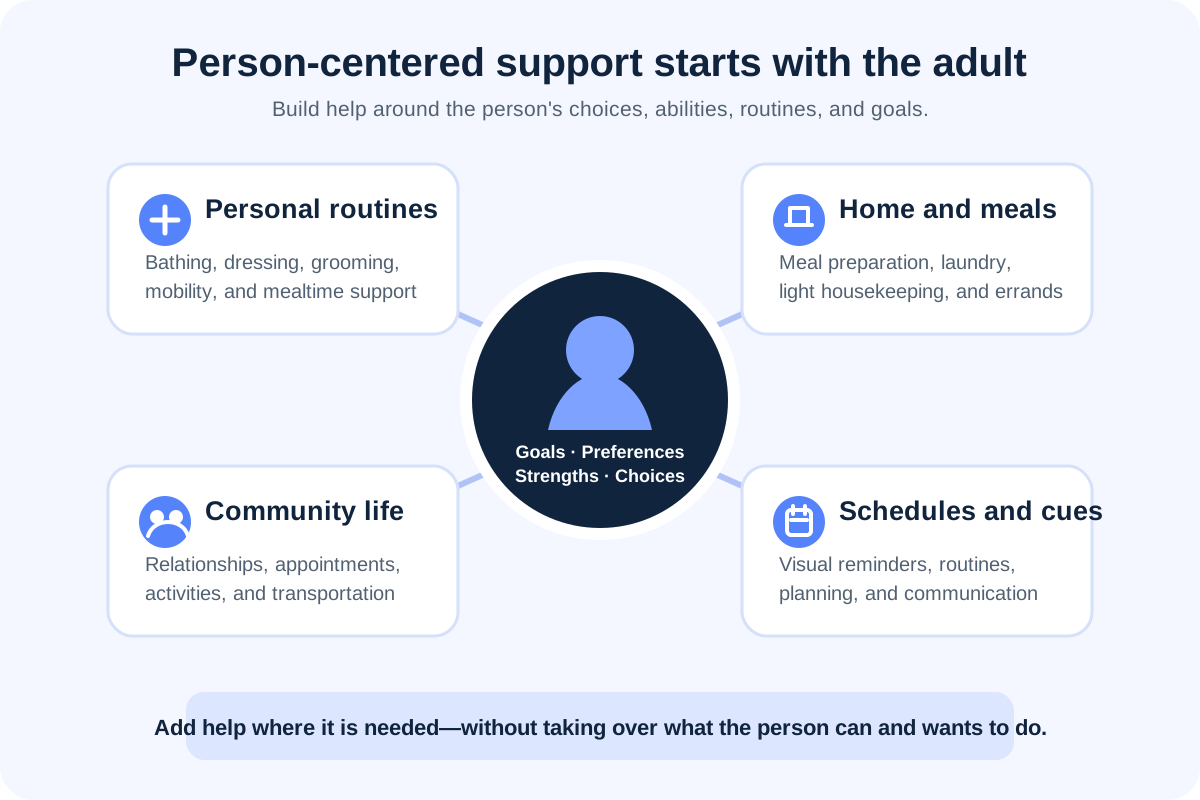
In practice, that can mean asking before helping, offering choices in a clear way, keeping familiar routines when they work, and allowing enough time for the person to complete a task. A caregiver should know which activities the adult completes independently, where a cue is useful, and where direct assistance is required.
Predictable routines can make the day easier to understand and manage. A caregiver might use a calendar, picture schedule, checklist, or verbal reminder. At the same time, the adult should still have room to choose what to wear, what to eat, which activity to attend, or when to take a break.
An adult may need anything from a reminder to begin a routine to hands-on help with bathing, dressing, grooming, toileting, or mobility. The level of help should match the care plan and the person's preferences. Our guide to activities of daily living explains the difference between prompting, supervision, and direct assistance.
Meal preparation, laundry, and light housekeeping are opportunities to maintain skills and contribute to the home. A caregiver can break a task into manageable steps, set out supplies, or complete only the part that requires assistance. Doing a task with someone is different from automatically doing it for them.
Use the communication style that works for the individual. That may include plain language, visual information, demonstrations, or extra time to respond. Speak directly to the adult, even when a parent, guardian, or other family member is part of the conversation.
Daily life extends beyond the home. Transportation, errands, appointments, hobbies, faith communities, volunteer activities, work, and time with friends can all be part of a meaningful routine. Support should help the person stay connected rather than making the home their only environment.
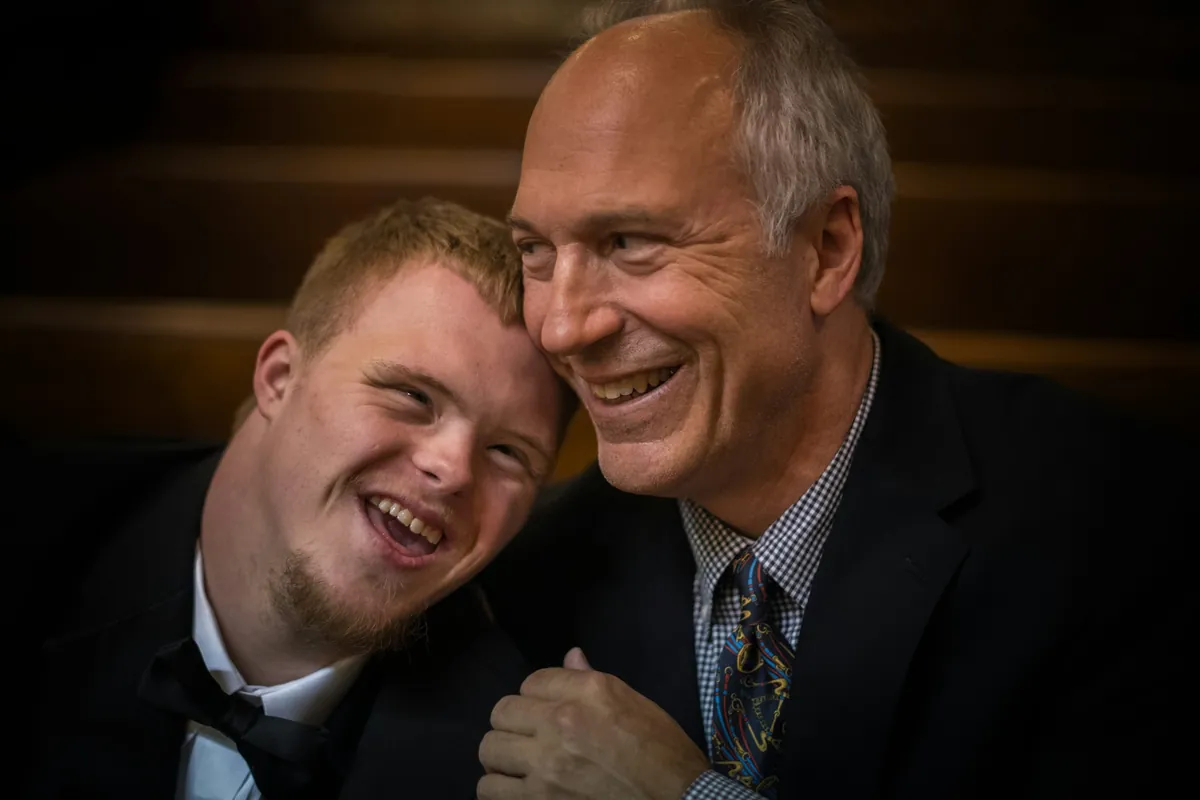
Families often hold years of knowledge about communication, routines, and preferences. A professional caregiver should listen to that knowledge while continuing to include the adult in decisions. Clear notes and a consistent contact person can reduce confusion when several relatives or workers are involved.
A care plan should not remain frozen while the person's life changes. A new job, move, relationship, transportation option, family schedule, or change in daily function may alter what support is useful. Families should bring material changes to the appropriate care professional or program rather than asking a caregiver to make clinical or eligibility decisions.
A useful plan describes the adult as a whole person. Before discussing hours or tasks, gather information about:
Our separate guide explains how to create a home care plan. Any formal assessment, service authorization, or medical direction must come from the responsible professional or program.
Parents and other relatives may provide support for decades. A 2025 study on caregiving for adults with Down syndrome notes that family caregivers often provide lifelong help and that long-term caregiving can affect their health and well-being.
Professional personal care can share selected daily responsibilities, create a more dependable schedule, and give relatives more room to focus on their family relationship. It does not replace the family's knowledge or the adult's voice. The best arrangement defines everyone's role clearly.
The Wisconsin Department of Health Services directs adults with developmental or intellectual disabilities to their local Aging and Disability Resource Center for information about adult program options. Enrollment in adult programs is handled through the local ADRC.
A Down syndrome diagnosis does not by itself establish eligibility, covered tasks, or paid hours. The applicable government program determines eligibility and service authorization. Support Plus Personal Care is an independent provider; we do not determine public-benefit eligibility or submit benefit applications on behalf of the public.
Yes, some adults live independently or with limited support, while others live with family or need more regular assistance. Housing and support decisions should reflect the individual's abilities, preferences, safety, relationships, and available resources.
Depending on the care plan, a caregiver may help with personal routines, meal preparation, light housekeeping, errands, transportation, reminders, companionship, and community activities. The exact role should be documented rather than assumed from the diagnosis.
Some family situations may fit a paid Personal Care Worker arrangement, but relationship rules, assessed needs, program eligibility, authorization, and hiring requirements all matter. Read our guide to becoming a paid caregiver for a family member in Wisconsin for an overview.
Looking for practical, person-centered daily support for an adult with Down syndrome in Wisconsin?
Call Support Plus Personal Care at 262-420-4008 or contact our team to discuss our personal care and supportive care services.
Understand basic ADLs, instrumental tasks, and the different levels of daily assistance.
Read Article
Build a clear plan around needs, goals, daily tasks, schedules, and communication.
Read Article
Review the eligibility, authorization, and hiring factors that may affect paid family caregiving.
Read ArticleTell us which daily routines are becoming difficult and which skills, preferences, and goals matter most.